













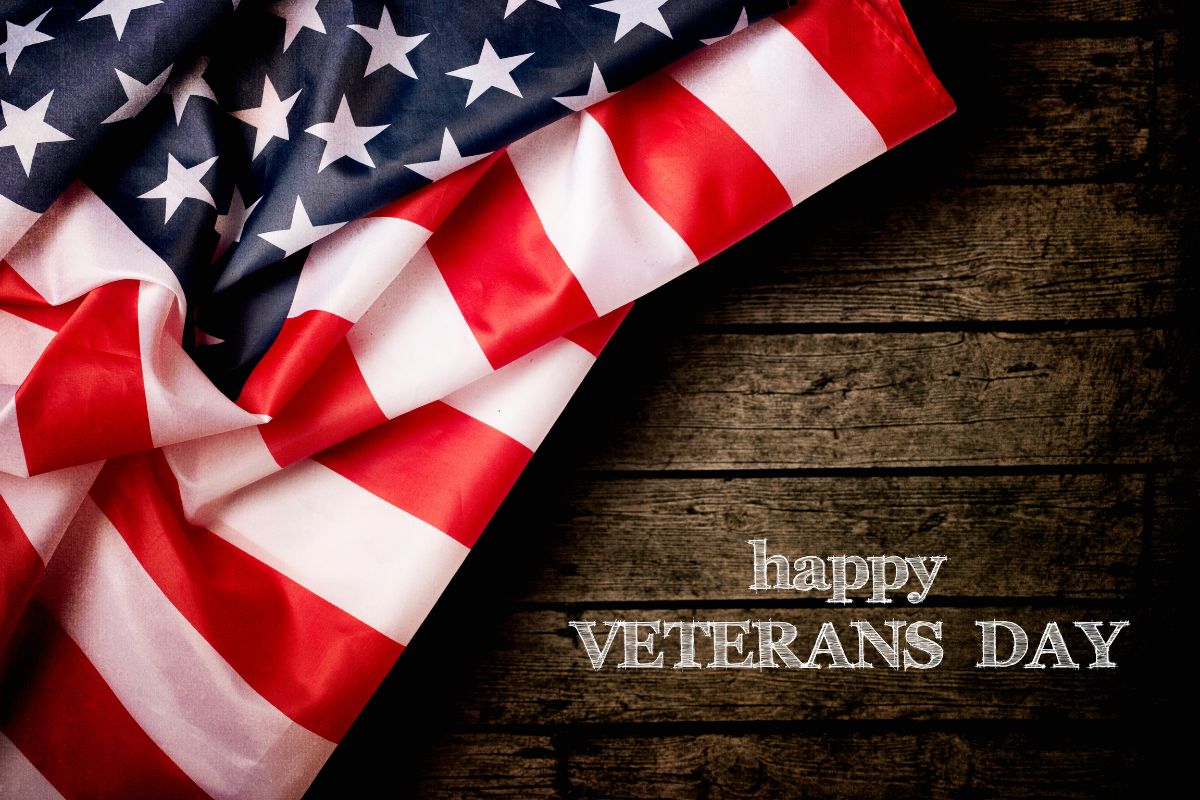
Every November 11, Americans reflect on the service and sacrifice of our nation’s veterans. Veterans Day is not just a date on the calendar — it’s also a time for gratitude, reflection and national pride. Memorial Day commemorates those who died in battle; Veterans Day honors all servicemen and -women, whether they survived war or did not.
The Origin of Veterans Day
The Veterans Day holiday originated at the end of World War I, the most momentous and ruinous conflict in history. It wasn’t until the Allied nations and Germany agreed to an armistice of their own on Nov. 11, 1918, that hostilities ceased; combat stopped at the “11th hour of the 11th day of the 11th month.” As symbols go, it was a potent reminder of peace in the face of years of devastation.
In 1919, President Woodrow Wilson proclaimed November 11 as Armistice Day to honor the courage and dedication of those who fought in World War I. For years, Americans observed the day with parades, gatherings, and moments of silence at 11 a.m. to remember the end of the war.
After the sacrifices of American service members during World War II and the Korean War, people began calling for a day that recognized all veterans, not just those from World War I. In 1954, President Dwight D. Eisenhower signed a law changing the name to Veterans Day, officially designating November 11 as a time to honor every American who has served in uniform.
The Meaning Behind the Day
Veterans Day is a reminder that freedom is not free. It pays tribute to the millions of men and women who risked their lives to serve their country – those who fought in combat, supported missions and waited at the ready to protect America’s principles.
If Memorial Day is about honoring the dead, then Veterans Day is all about celebrating those who came home —- the unsung heroes who not only served on the battlefield, but also spend their lives serving in their communities, raising families and adding to our great country that they once defended from across enemy lines. It is a day to express gratitude for their sacrifices, both seen and unseen.
Veterans Day also reminds Americans to reflect on the cost of peace and the strength it takes to protect it. It brings the nation together in appreciation for the service, courage, and dedication of its defenders.
How Veterans Day Is Observed
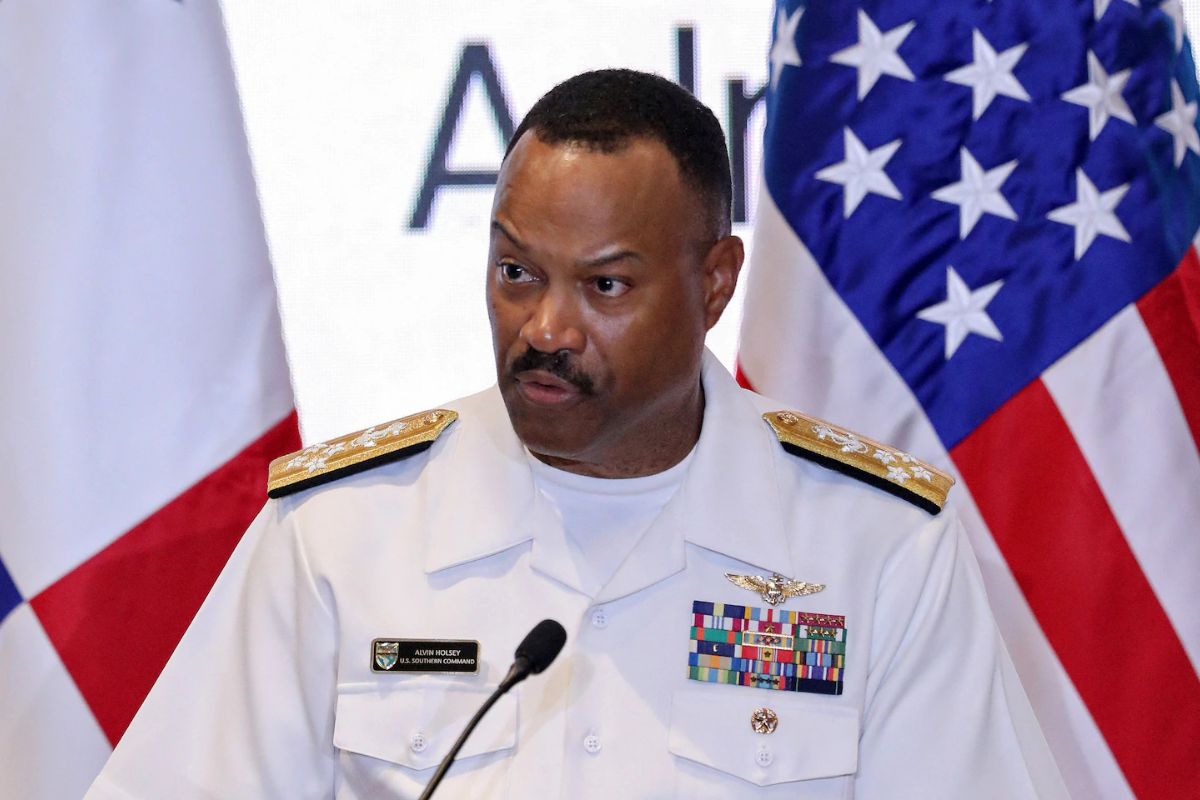
Across the United States, Veterans Day is marked by parades, ceremonies, concerts, and tributes. One of the most significant observances takes place at Arlington National Cemetery, where a wreath is placed at the Tomb of the Unknown Soldier to honor those who gave their lives without recognition.
At 11 a.m., many Americans pause for a moment of silence, remembering the original armistice that ended World War I and reflecting on the sacrifices made for peace. Schools, veterans’ organizations, and community groups host special programs to educate the public about the importance of military service.
Businesses across the country also show appreciation through Veterans Day deals and discounts, offering free meals, services, or special promotions for active-duty military and veterans. These gestures, while small, symbolize the gratitude that millions of Americans feel.
Interesting Facts About Veterans Day
- The holiday’s date has deep meaning. Even when the government moved some holidays to create long weekends in the 1970s, public support led to restoring Veterans Day to November 11 in 1978 to preserve its historic significance.
- Birmingham, Alabama, hosted the first official Veterans Day parade, a tradition that continues today.
- Other countries observe similar holidays on November 11. In the United Kingdom and Canada, it is known as Remembrance Day, while France and Belgium still call it Armistice Day.
- The United States is home to more than 18 million veterans, according to the U.S. Census Bureau, representing service across conflicts from World War II to Iraq and Afghanistan.
The Legacy of Service
At its heart, Veterans Day is about unity and appreciation. It reminds Americans that the strength of the nation comes from those willing to defend it. Veterans have played a vital role in shaping the country’s history, and their dedication continues to inspire future generations.
The best way to honor veterans is not just through ceremonies, but through action—by supporting veterans’ programs, hiring former service members, volunteering at VA hospitals, and taking time to listen to their stories. A simple “thank you for your service” can carry immense meaning.
Veterans Day stands as a lasting tribute to the courage, loyalty, and selflessness of those who have worn the uniform. On this day, the nation pauses to remember that behind every freedom enjoyed today lies the enduring sacrifice of America’s veterans.
On Veterans Day, we honor the brave individuals whose service shaped our nation’s legacy. Their sacrifices, both visible and unseen, deserve our deepest respect. This day is a powerful reminder to cherish peace, support our veterans, and ensure their stories and contributions are never forgotten in the fabric of America.
Conclusion
Veterans Day, observed every November 11, honors all American servicemen and women who have bravely defended the nation. Originating from the 1918 World War I armistice, the day symbolizes peace, gratitude, and national unity. Unlike Memorial Day, which honors the fallen, Veterans Day celebrates those who returned home and continue contributing to their communities. Through ceremonies, parades, moments of silence, and acts of appreciation, Americans reflect on veterans’ sacrifices and the enduring strength required to protect freedom.