















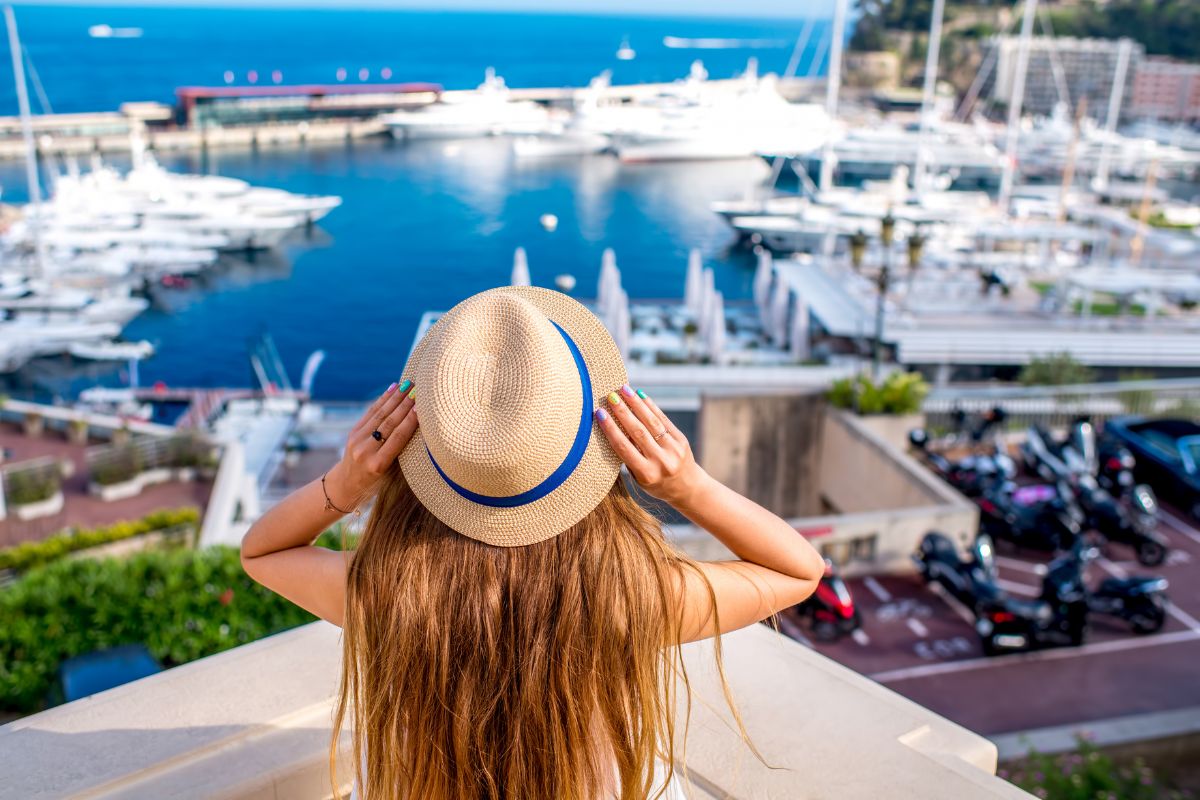
On your trip in 2025, it’s not enough to just visit places on your wish list. There are new ways that people see the world. They want to enjoy meaningful trips, one-of-a-kind experiences, and eco-friendly choices more than they want to rush through well-known sites.
Tech is also very important because it speeds up travel and makes it more personalized for each person. Now, though, people think that health, the environment, and cultural ties are very important. Let’s look at the most important travel trends that will shape 2025.
1. Sustainable and Regenerative Travel
People now expect sustainability, they don’t have a choice. People who go on trips in 2025 want their trips to improve the world.
- Eco-friendly hotels Over the next few years, many eco-friendly hotels will switch to clean energy, use less single-use plastic, and recycle more.
- Community-based tourism Over the years, community-based tourism has grown. Now, tourists can help repair nature or raise money for cultural projects in the area.
- Carbon offset programs When people take trips, airlines and tour companies offer programs that help them make up for the damage their trips cause.
- Locally sourced services People are becoming more interested in local services like food, guides, and arts because they help the community.
This means that going somewhere isn’t just for fun; it’s also for making it better.
2. AI-Powered Trip Planning

These days, AI is used in almost every part of trip planning.
- Personalized itineraries: This is done by apps with AI that know what you like, how much money you have, and where you’ve been before.
- Real-time assistance: As soon as something changes, like a flight delay or a hotel change, tourists are told right away.
- Voice assistants You can change a flight’s times, find nearby restaurants, or make a new route with just your mouth.
- Hidden discoveries: AI can help you find places that aren’t as well known and aren’t always in trip guides.
Following this trend will save you time and make your trips less stressed.
3. Workcations and Extended Stays
Working from home continues to change how people move. Work and play are becoming more mixed for more people.
- Work-ready stays All hotels and rentals now have fast Wi-Fi, quiet places to work, and shared workspaces.
- Longer visits: Instead of taking short breaks, tourists stay longer so they can do work and play.
- Flexible bookings: There are many deals on monthly rents and packages for longer stays.
- Local living: Travelers can connect with the community and live like a local if they spend more time there.
For many workers, it’s now possible to sit on a beach during the day and join meetings online at night.
4. Wellness-Focused Travel
People choose their trips in 2025 based on their health and happiness.
- Retreats and healing getaways: People want to go to yoga, meditation, and spa locations a lot.
- Digital detox escapes: To recover, people are going on trips to quiet places with little or no internet.
- Traditional healing: Some destinations offer Ayurveda, herbal treatments, and other local health and fitness methods.
- Mind and body care: A lot of trip packages include yoga, healthy meals, and classes on how to be more mindful.
Going on a wellness trip is meant to do two things: make memories and get healthy.
5. Adventure and Experience-Driven Journeys
Things that happen are more important than memories in the year 2025. People want trips that are fun and teach them new things.
- Adventure activities: People who like extreme sports like to hike, swim, bungee jump, and ride mountain bikes.
- Cultural connection: Tourists must do things with the locals, like cooking, making crafts, or learning about history. This gives them a cultural link.
- Micro-adventures: For people who are always on the go, microadventures are fun short trips close to towns.
- Experiences over things: For travelers, the stories and experiences they have are more important than the things they buy.
It helps people connect more deeply with the places they visit and gets them out of their comfort zones.
6. Smart Destinations and Digital Integration
Technology is making vacation spots better.
- Contactless travel: You don’t have to touch anything to use hotel services, fingerprint check-in, or mobile flight passes most of the time.
- AR and VR experiences: VR brings history and culture to life in museums and other cultural places.
- Seamless connectivity: Digital maps and real-time language translation make it easy to get around in smart towns.
- Safer journeys: Tech has made it easier to keep an eye on the health and safety of tourists, which makes trips safer.
Moving has never been so easy, quick, and smooth.
7. Slow Travel and Local Immersion
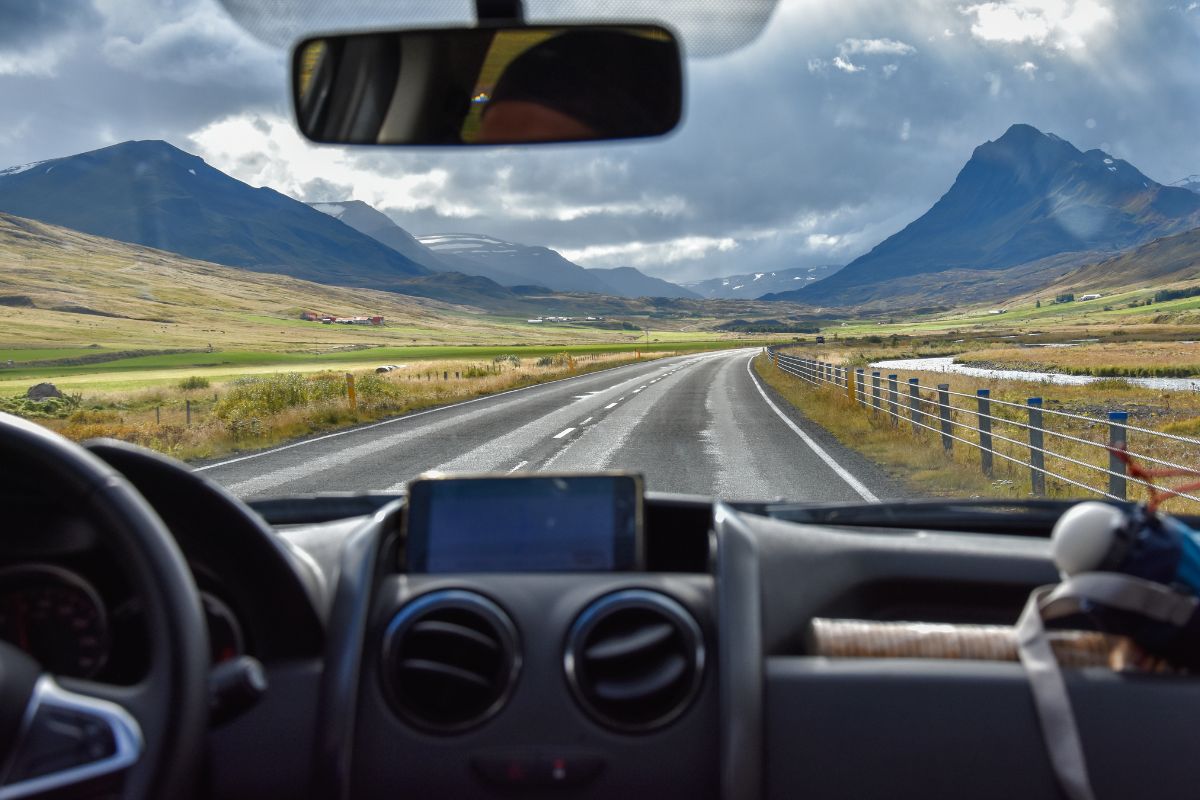
In 2025, tourists would rather enjoy a country slowly than rush through it.
- Unhurried pace: Travelers can enjoy each place they visit more if they stay longer in a few of them.
- Smaller towns and villages: People go to the country to experience real culture, which means smaller towns and villages.
- Food tourism: Some of the best things about slow travel are going to local markets, cooking lessons, and tours of street food. There’s also food tourism.
- Sustainable choice: Less planes and longer trips would be better for the world.
Slow travel gives people time to form genuine connections with locals and immerse themselves in the culture.
Final Thoughts
In the year 2025, traveling is more than just going from one place to another. It’s about traveling with a reason, like helping the environment, focusing on your own health, or getting to know other cultures better. Technology is making trips easier, and health tourism, workcations, and slow travel are changing the way we see the world.
In the future of travel, it’s important to think about how to balance comfort with care for the world around us, fun with care for the world around us, and excitement with comfort. When people travel these days, they think about more than just where they’re going. They think about why and how they want to get there too.