















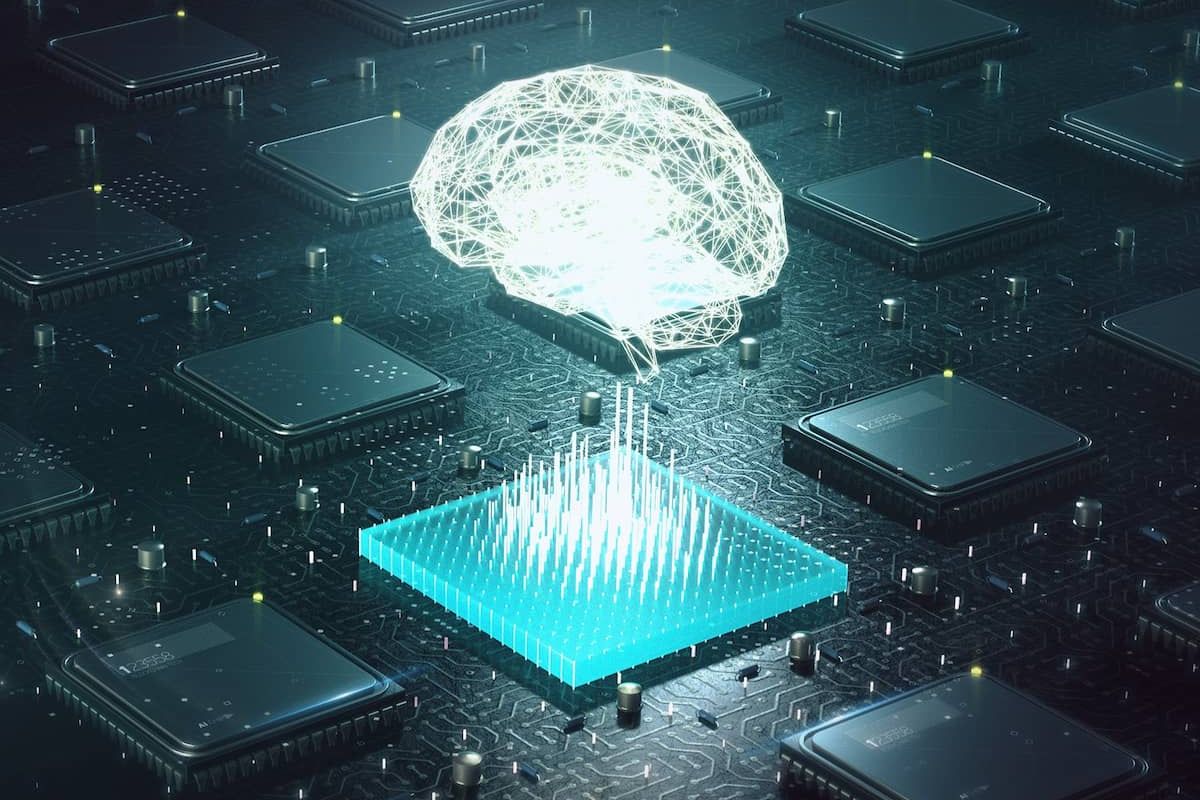
A lot of people are interested in neuromorphic computing, which aims to make computers work more like the brain. Standard tools are programmed to do specific tasks in a way that makes sense. Synapses and neurons in the brain work together in a way that neuromorphic systems try to copy. Many people think this change could be a big deal for computers and the way AI and other technologies work in the future.
From Von Neumann to Brain-Inspired Models
The von Neumann system was created in the middle of the 20th century and is used by most computers today. A processor in this system gets data and instructions from a different memory unit, works on them, and then sends the results back. This model has been useful for many years, but it has a big flaw called the von Neumann slowdown that makes it less useful.
When you process a lot of data, the data has to keep going between memory and the CPU, which takes a lot of time and power. But the brain is not the same. Neurons work in a very parallel way, which means they store and process information at the same time.
People can remember faces, understand language, and learn new things very quickly and easily thanks to this structure, which often only needs about 20 watts of power, which is less than a regular light bulb. Neuromorphic computing tries to get this efficiency by making hardware and programs that work like neurons instead of just simulating them.
Key Characteristics of Neuromorphic Systems
Neuromorphic computing is different from other computer systems because it doesn’t work like most of them. Some of its most important traits are:
Massive Parallelism
Neuromorphic chips can do many things at once, just like the brain. This is great for tough pattern recognition jobs like voice or picture analysis.
Event-Driven Processing
Regular CPUs work with a steady flow of data, even if the input doesn’t change in a meaningful way. Neuromorphic systems, on the other hand, are spike-based, which means they only move when a signal, or “spike,” happens, like neurons firing. This method saves power and cuts down on computations that aren’t needed.
Learning and Adaptation
Spiking neural networks (SNNs) can change how they link to each other in real time and can work with neuromorphic hardware. In big data centers, this means they can learn from their mistakes without having to go through training again.
Energy Efficiency
Neuromorphic chips use a lot less power than regular CPUs or GPUs when doing the same AI tasks. This is because they are designed to work in parallel and be driven by events.
Hardware Examples
Neuromorphic chips are being tested by a number of businesses and study groups.
- IBM TrueNorth has more than a million programmable neurons and 256 million synapses, IBM TrueNorth was one of the first large-scale tries.
- Intel Loihi Intel Loihi added learning processes on the chip and real-time adaptation.
- BrainChip Akida BrainChip Akida is a commercial solution for AI apps on the edge, such as smart sensors and self-driving cars.
Instead of using binary reasoning, these chips use architectures that work more like networks of neurons in living things.
Applications
Neuromorphic computing has a lot of potential, even though it is still being worked on:
- Pattern Recognition: Pattern recognition means finding people, objects, or strange things in streams of data.
- Autonomous Systems: Autonomous Systems are things like robots and drones that can quickly change their surroundings.
- Edge AI: Smart gadgets that don’t need to connect to cloud servers in order to work. This cuts down on latency and protects privacy.
- Healthcare: Brain-machine connections, neuroprosthetics, and medical diagnostics are all areas of healthcare.
- Cybersecurity: Cybersecurity means finding strange network trends or possible attacks right away.
Challenges to Overcome
Neuromorphic computing has a lot of problems, even though it has a lot of potential. One problem is that there aren’t many widely used programming tools. Deep learning models work well on GPUs and are used in most AI today, but they are hard to put onto neuromorphic chips.
It is necessary to create new algorithms that are built to work with spiking neural networks. Another problem is the ability to grow. A technical problem still stands in the way of making chips that can cheaply copy billions of neurons. Also, new ways of co-designing hardware and software are needed to connect neuromorphic systems to standard digital infrastructure.
Future Outlook
Neuromorphic computing is seen as the next big thing in AI by researchers, especially in areas where energy and flexibility are very important. Think about computers that can learn new things all the time without draining the battery or medical implants that can change based on what the patient needs right now. In addition to quantum computing, neuromorphic processors may also be able to handle jobs that need to perceive, adapt, and understand context.
Conclusion
Neuromorphic computing is a completely new way of thinking about how computers work. By moving away from the problems with von Neumann architecture and using brain-like ideas, these systems offer solutions that are faster, more flexible, and use less energy.
There are still problems with scalability and program support, but this could have a huge effect on AI, robotics, healthcare, and everyday devices. There are a lot of ways that neuromorphic computing is more than just making machines better. It’s about training computers to think like people.