















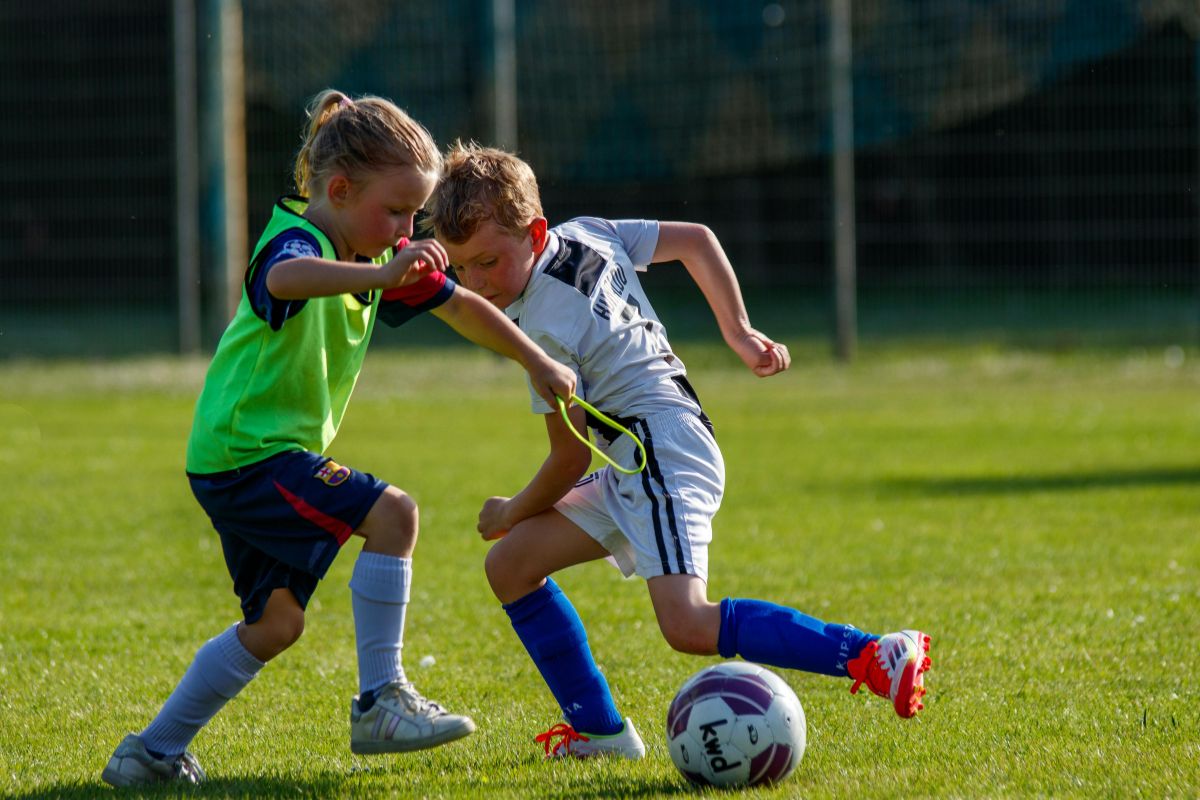
It honestly frustrates me. Every Saturday morning, I see the same scene at parks all over the city: parents sipping coffee, cheering on their 7-year-olds like it’s the World Cup final, while on the field, it’s absolute chaos. No structure, no learning—just a “swarm” of kids kicking each other instead of the ball.
We tell ourselves, “It’s just for fun,” or “They are too young to be serious.” But deep down, we know something is missing. When you sign up for soccer classes for kids under 10, you aren’t just buying a cute jersey and a plastic trophy. You are supposed to be investing in confidence. You are supposed to be giving your child a head start in life.
The reality? Most of these commercial programs are robbing your child of their most critical learning years. They are selling you a fantasy while your child learns bad habits that will take years to fix. Here is the heart-to-heart truth about what is actually happening and how to fix it.
1. The “Golden Window” is Closing Fast
There is a magic biological window between ages 6 and 10. Scientists call it the “Golden Age of Motor Learning.” You can see it in their eyes—they are like sponges. They soak up everything. If they don’t learn how to manipulate the ball now, they will struggle with it forever.
- The Pain of Regret: I have seen teenagers who love the game passionately but get cut from high school teams because they have “heavy feet.” It’s heartbreaking because it wasn’t their fault; it was the fault of the training they got (or didn’t get) at age 8.
- The 10,000 Touch Rule: We need to stop worrying about winning games and start worrying about touches. In a typical U8 game, a child might touch the ball 15 times. That is worthless for development. In a proper technical class, they should touch it 500+ times through isolation drills. If your child isn’t sweating from ball work, you are wasting your money.
- Two Feet or Nothing: It drives me crazy to see coaches letting kids use only their strong foot. It’s laziness. Real coaching is forcing a frustrated 8-year-old to use their left foot until they smile because they finally got it right. That is how you build a complete athlete.
2. “Fun” Doesn’t Mean “Chaos”
I hear parents say, “I just want them to have fun.” I get it. We want them to smile. But you know what isn’t fun? Being the kid who can’t keep up three years later because nobody taught them the basics.
-
Real Confidence: True enjoyment comes from mastery. Watch a child’s face light up when they finally master a drag-back turn or a step-over. That is real fun. That builds self-esteem that lasts longer than a participation trophy.
-
Tough Love: A coach who high-fives a terrible pass isn’t “nice.” They are dishonest. Kids are smart; they know when they mess up. They need a mentor who says, “That wasn’t good enough, try it again,” not a cheerleader who accepts mediocrity.
3. The Silent Killer: The Car Ride Home
This might hurt to read, but the biggest enemy of a child’s development often isn’t the coach—it’s the parent in the car after practice.
- The Interrogation: “Did you score? Why didn’t you pass to Johnny? Why were you standing still?” These questions destroy a child’s love for the game. At this age, they just want to please you. When you analyze their play like a pundit, they start playing out of fear of disappointment.
- The Only Words That Matter: There is only one thing you should say to your child after a session: “I loved watching you play.” That’s it. Let the coach do the coaching. Your job is to be the safe space, not the critic.
4. The Trap of Early Specialization
Many parents think that to raise a star, their kid must play only soccer 12 months a year. This is scientifically false and dangerous.
- Burnout is Real: Kids who play one sport year-round at age 8 are often the ones who quit by age 13. They get bored, or worse, they get injured.
- Building the Whole Athlete: The best soccer classes for kids under 10 will actually encourage playing other sports like gymnastics (for balance) or basketball (for hand-eye coordination). Athleticism transfers. If a program demands you quit other activities to focus solely on their team at age 8, they are looking at your wallet, not your child’s well-being.
5. Fighting the iPad Culture
Let’s be real—our kids don’t move enough. They sit in school, they sit in cars, and they sit with tablets. The soccer field is often the one place they can truly express themselves physically.
- Physical Literacy: Good programs shouldn’t just be about kicking. They should be about balance, falling down and getting up safely, and learning how their body works in space.
- The Injury Fear: It sounds scary, but if we don’t teach them how to move correctly now (bending knees, landing soft), we are setting them up for ACL tears when they are 16. We have to protect their future bodies today by teaching them agility now.
6. Don’t Let Them Waste Your Money (The Audit)
I want you to be angry if you see these red flags. You work hard for your money; demand better standards.
- The “Line” of Boredom: If you see 10 kids standing in a line waiting to take a shot, walk away. That is lazy coaching. Kids should be moving, sweating, and engaged, not standing around picking grass.
- The Joystick Coach: If the coach is screaming “Pass! Shoot! Run!” every two seconds, they are stealing your child’s ability to think. A good coach stays quiet and lets the child solve the puzzle.
- The Lap Running: If a coach makes 7-year-olds run laps without a ball for fitness, they are stuck in the 1980s. Fitness at this age should happen with the ball.
Conclusion
This isn’t about making your kid a pro athlete. The odds of that are one in a million. This is about respect—respecting their potential, their time, and their development as human beings. Don’t settle for “babysitting with a ball.” Find a program that cares enough to teach them properly. Your child deserves that effort, and honestly, so do you.