










Getting a dog is fun and exciting, but you will have to do a lot of things for it. Puppy dogs need extra care, attention, and direction to become healthy, well-adjusted adults. What a dog should eat and how often it should go to the vet are some of the most important things every pet owner needs to know. To give your pet the best start in life, here are some essential tips for maintaining optimal Puppy Health.
Nutrition: Building the Foundation of Health
Choosing the Right Food
To keep your puppy healthy, the first thing you should do is feed them good food. Because they change and grow so quickly, puppies have different dietary needs than adult dogs. Lots of healthy fats, vitamins, and minerals should be in dog food that is made just for dogs.
Feeding Schedule
Always being the same is important. Puppy dogs may need three to four meals a day, depending on how old they are. They don’t have stomach problems and have steady energy all day when they eat smaller meals more often. They should only be given clean water, and you should never feed them human food because it could make them sick or cause allergies.
Veterinary Care: Essential for Growth
First Vet Visit
You should take your baby to the vet for the first time within a few days of getting them home. The vet will check their general health, measure their weight, and talk to you about a vaccination plan during this visit.
Vaccinations and Deworming
Getting your baby vaccinated keeps it from getting dangerous diseases like rabies, parvovirus, and distemper. Deworming is also very important because dogs often get parasites in their intestines. Following the plan your vet gives you will protect your pet for a long time.
Spaying or Neutering
Talk to your vet about neutering or spaying your pet when the time is right. This stops litters that aren’t needed and also lowers the risk of some health problems, like cancer and infections.
Grooming and Hygiene
Bathing and Brushing
Puppies don’t need baths very often unless they get really dirty. Wash your puppy with shampoos that are gentle on their skin. Brushing your puppy’s fur a few times a week gets rid of free hair, keeps it from matting, and makes your bond stronger.
Oral Health
Puppies’ oral health is often forgotten. Start brushing early on with a toothbrush and toothpaste that are safe for pets. Infections and oral diseases can happen as your dog gets older if its teeth and gums are not healthy.
Nail Trimming and Ear Cleaning
Trim your puppy’s nails to keep them from getting hurt or in pain. Check and clean their ears often to keep them from getting infections, especially if they have floppy ears.
Exercise and Training
Physical Activity
Puppies have a lot of energy and need to play and go for walks every day to stay healthy. But don’t let them work out too much because their joints are still growing. For young dogs, short, fun lessons work best.
Socialization and Training
Simple instructions like “sit,” “stay,” and “come” should be used right away to start training. Socialization is just as important. To help your baby build confidence and avoid behavior problems, expose it to new places, people, and other pets.
Preventive Health Measures
Flea and Tick Protection
Ticks and fleas are examples of parasites that can make you feel bad and spread disease. Your vet can give you safe advice on how to keep your puppy free of parasites.
Regular Checkups
Even after the first shots, regular trips to the vet are still important. Checkups with your vet help find health problems early and let them keep an eye on your puppy’s growth and development.
Mental Health and Emotional Care
Love and Attention
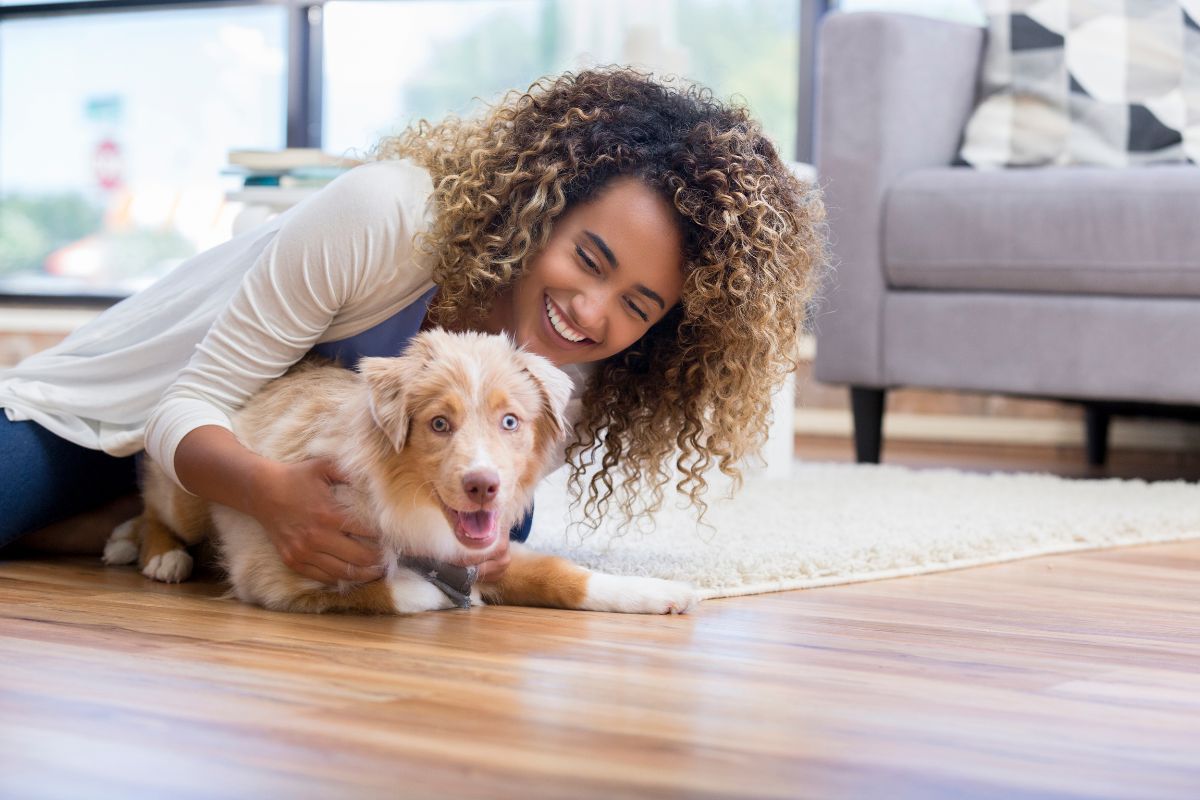
Puppy dogs love being adored and looked after. Play with, pet, and get to know your pet by spending time with them. This makes them feel safe and helps them trust the new place they are in.
Preventing Separation Anxiety
Get your dog used to being alone for short periods of time. Giving them more time alone over time can help them avoid separation anxiety later in life. Give them toys and safe things to chew on to keep them busy.
Safe Home for Puppies
Make sure your puppy feels safe in their new home first if you want them to. Do not give them any small items that they could swallow, make sure that the electrical cords are tight, and do not let them get to dirty things or plants that could be deadly. In a safe place, kids are less likely to get hurt and stay healthy as they grow up.