













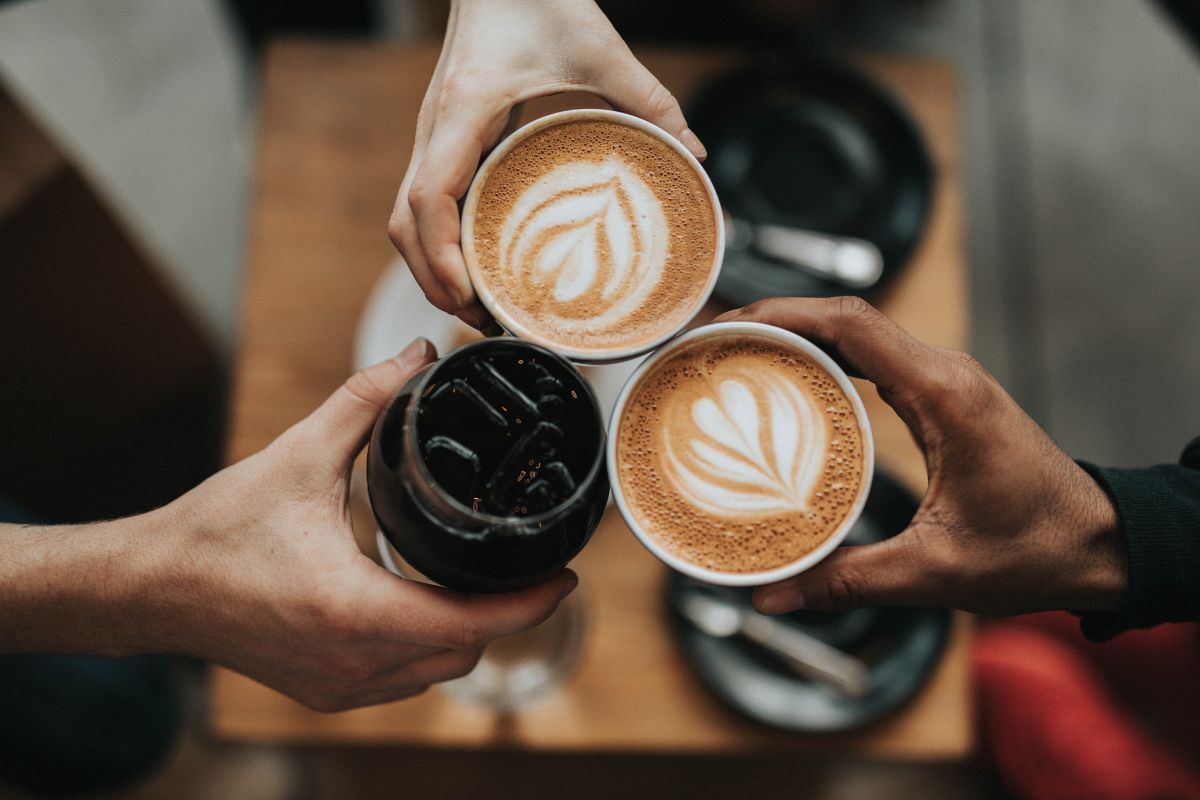
A lot of people say that coffee helps them start or end the day. Some people say that coffee can make you more alert and energised, but it can also help your body heal after a workout. Coffee after working out may be good for you in more than one way, like making you feel better and helping you do better. These are some of the main reasons why it’s a good idea to drink coffee after working out.
Benefits of Drinking Coffee After a Workout
Supports Muscle Recovery
Your muscles are ready to heal after a workout. Glycogen is the form of carbs that your muscles store. They need to refuel because they’ve used up a lot of it. Researchers have found that caffeine, which is what makes coffee what it is, may help glycogen repair go faster when mixed with carbs.
So, if you work out and then eat or snack on coffee, it might help you get your energy back faster, which will help your muscles heal faster. Additionally, coffee has antioxidants that help fight oxidative stress, which is something that happens naturally when you work out hard. Getting rid of oxidative harm in coffee may help protect muscle tissue and speed up long-term healing.
Reduces Muscle Soreness
Sometimes after a hard workout you might feel sore for a while. This is called delayed onset muscle soreness (DOMS). Adenosine receptors in the brain are stopped by caffeine, which makes pain feel less bad. This is what tells the brain that you are tired and not feeling well.
This can make the time after working out easier to handle, making you feel less tired and more ready for your next workout. People who hate being stiff and sore after doing a lot of cardio or heavy work might feel better after drinking a fair amount of coffee. This could help you get back to normal faster.
Boosts Energy and Alertness
When you work out, you might feel tired, especially if it was tough. By making your brain work better, coffee after a workout can help you feel mentally refreshed. When you drink coffee, neurotransmitters like norepinephrine and dopamine are produced more.
This wakes you up, makes you feel better, and helps you focus. This can really help you get ready for a long day. It can also be helpful if you work out during your lunch break and need to stay alert afterward. Instead of making you feel tired, a cup of coffee can help you get back to your daily tasks without any problems.
Enhances Fat Metabolism
Coffee can also help your body burn fat, which is good for people who want to lose weight or keep their slim body. Extra oxygen consumption after exercise, or EPOC, is the rate at which your body keeps burning calories after a run.
The body uses fat as fuel because caffeine speeds up the breakdown of fat cells. Even though this affect is small, it can help change the way your body looks over time if you also eat well and work out regularly. It’s possible that drinking coffee after a workout will help you burn more fat during this time.
Provides Hydration and Nutritional Value
Even though coffee makes you pee a little, drinking it in moderation won’t make you dehydrated, especially if you drink water too. In fact, coffee makes you more likely to drink water every day. So, drinking coffee after working out can help you stay hydrated.
Coffee also has calcium, potassium, and B vitamins, which are all good for you and help your muscles work and your body use energy. It shouldn’t be used instead of electrolyte-rich fluids after very hard workouts, but it can help your diet plan.
Strengthens Mental Recovery
Working out isn’t just hard on your body; it also tests your mental toughness. As a treat, drinking coffee after a workout can give you a chance to relax and think about how far you’ve come. Enjoying a warm cup can give you a mental boost that can help you feel good about your workout, which will make you more motivated and consistent over time.
Tips for Maximizing the Benefits

- Time it right: In order to help your body heal, you should drink your coffee 30 to 60 minutes after working out.
- Pair with carbs and protein: For best glycogen replenishment and muscle repair, eat a healthy meal with coffee after a workout, like whole-grain toast with eggs or a protein smoothie.
- Avoid overdoing it: Don’t drink too much. About one cup has 80 to 120 mg of caffeine. Too much caffeine can make you feel jittery, make it hard to sleep, and raise your stress hormones, all of which can make it harder to heal.
- Stay hydrated: to make up for the fluids you lose when you sweat, drink water with your coffee.
When and How Much Coffee Should You Really Drink
How Much Coffee?
- Most of the time, 1 cup (eight to twelve ounces) with 80 to 120 mg of caffeine is enough to get the benefits without any bad affects.
- Researchers have found that most healthy people can handle 3 to 6 mg of caffeine per kilogramme of body weight per day.
For instance, if you weigh 154 lbs. (70 kg), that’s about 210 to 420 mg of caffeine every day.
- More than 400 mg a day, which is about 3–4 normal cups, can make you feel jittery, upset your stomach, or make it hard to sleep.
When to Drink Coffee After a Workout?
- Within 30 to 60 minutes of working out is best. At this point, your muscles are ready to heal tissue and make more glycogen.
- Coffee with a healthy meal or snack (carbs + protein) helps muscles recover faster and feel less sore.
- If you work out late in the day, don’t drink coffee for 6 to 8 hours before bed because the caffeine may make it hard to sleep.
Final Thoughts
Coffee isn’t just a way to wake up before a workout. When eaten after working out, it can help the body heal, ease pain, give you more energy, and even speed up the fat-burning process. Along with a healthy meal and enough water, a coffee after a workout can be a simple but effective way to get even more out of your exercise.