








On the floor of the New York Stock Exchange in the 1980s. Orders are yelled across a crowded room as phones ring nonstop and paper slips fly around like fireworks. I remember when I first started working at a big foreign bank and had to avoid bumping into people while trying to make a trade before the market changed.
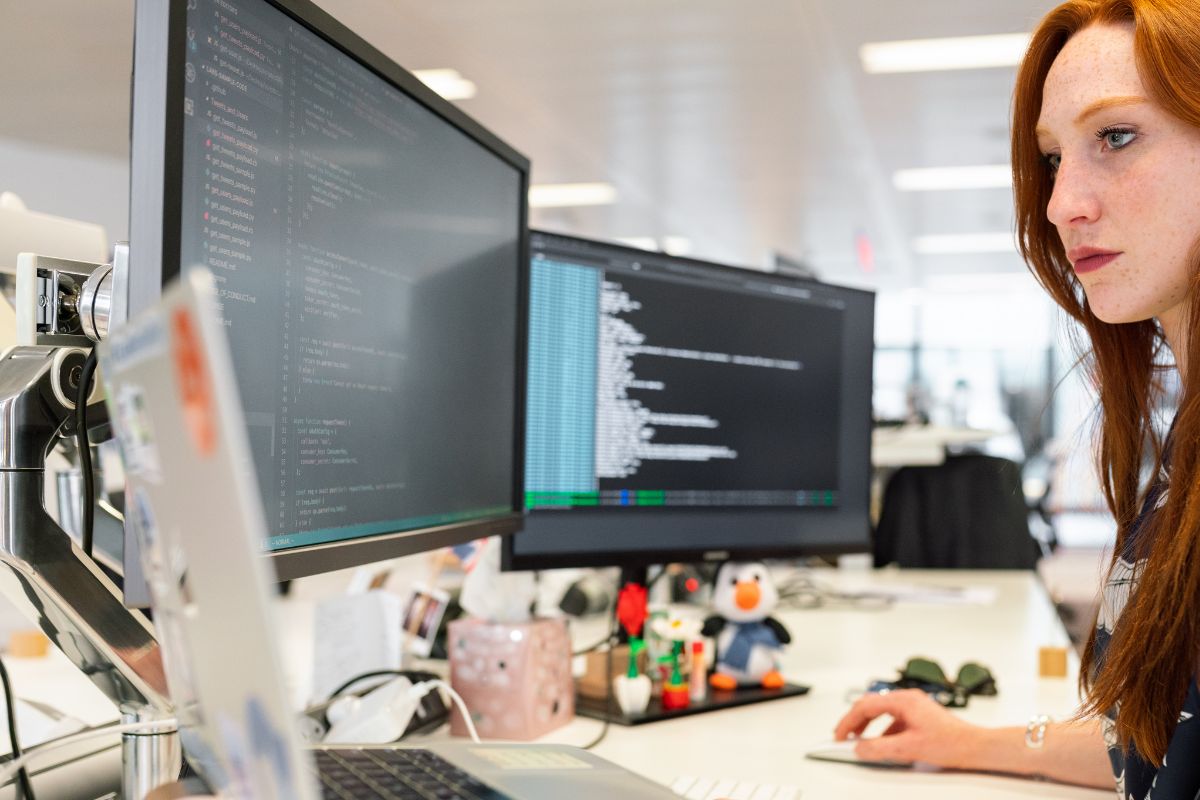
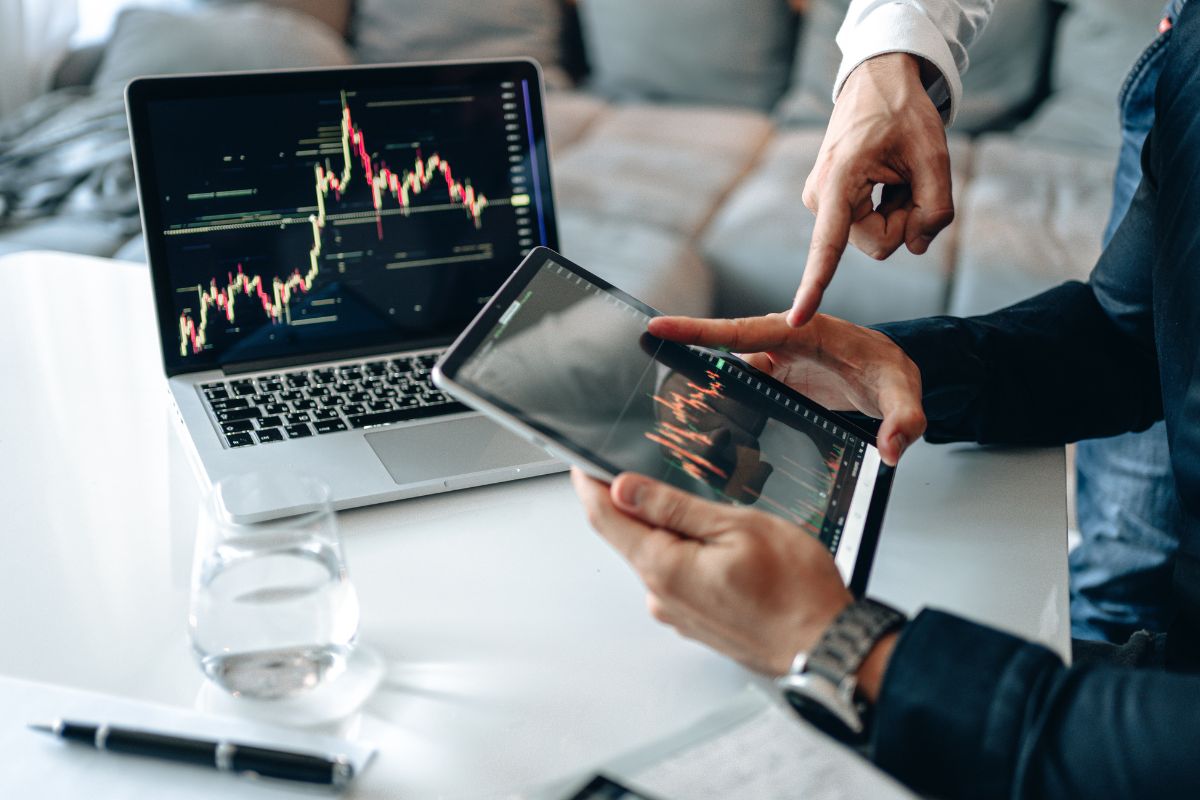
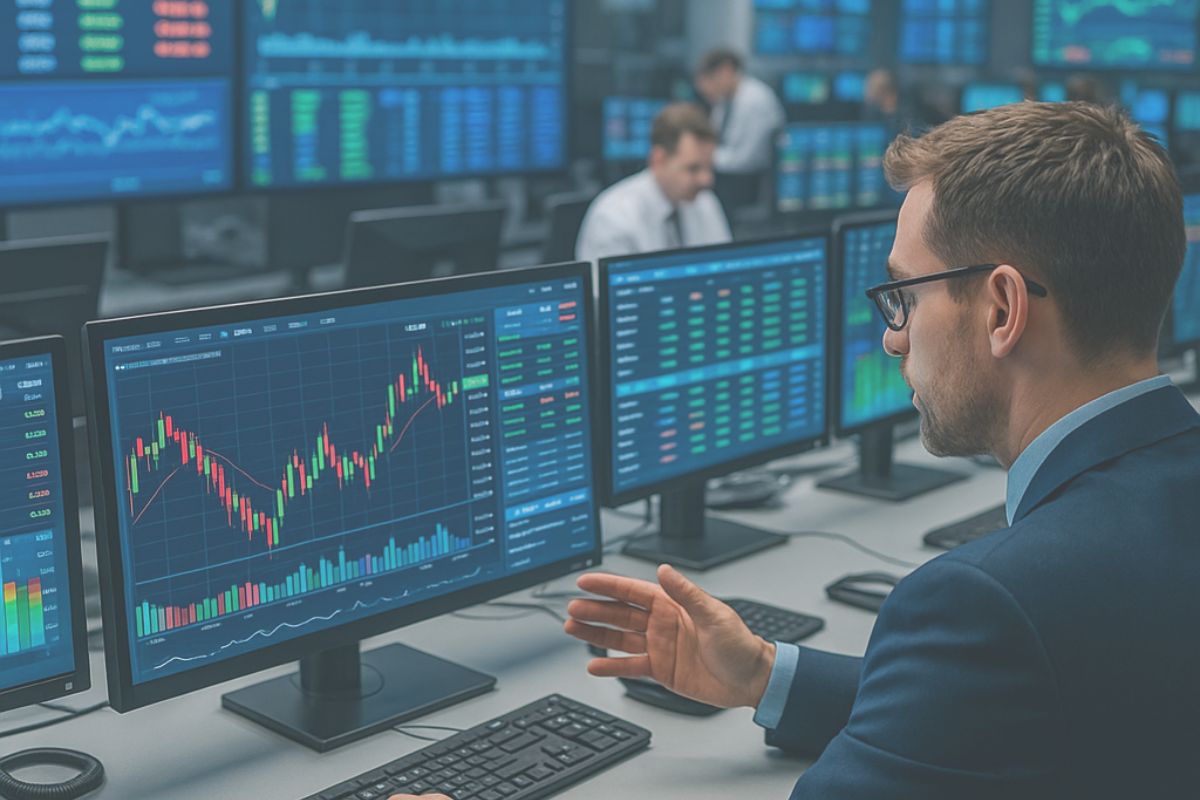
Right now, trade floors look like high-tech command centers, complete with glowing screens, quiet algorithms, and the ability to log in from anywhere. Trading has changed a lot thanks to technology. It used to be a wild, human-driven activity, but now it’s an exact, data-driven machine.
As a trader and economist who has worked for years in global banks, I’ve seen how these changes affect everything from day-to-day business to big-picture economic trends. This change isn’t just about speed; it’s also about changing how markets work in a world that is unstable because of things like inflation, politics, and the fast flow of information.
This piece will talk about how it has changed over time, the main technologies involved, the pros and cons, the expected future trends, and what all of this means for traders. This job can help you become a better investor, no matter how experienced you are. When it comes to trading, after all, information is power.
Historical Evolution of Trading Floors
Trading floors have changed a lot since they were first called “open outcry” methods. Face-to-face auctions with traders yelling bids and offers were important for places like the New York Stock Exchange in the 1800s. It was energetic, but things could go wrong, and it had boundaries because you had to be there in person. Things started to be pushed to be digital around the middle of the 20th century.
When Bretton Woods broke down in the 1970s, it made it possible for banks to do business all over the world. This led to the replacement of human methods with artificial ones. It was the first online stock market in the world. It made a big splash when it opened in 1971 because it let people trade stocks over computer networks instead of real floors. There are changes now because big things took place.
Instant trade made the Black Monday crash of 1987 worse, which showed that early technology wasn’t very good. But it did make me think of new things. In the 1990s, the internet made it easier for everyone to get online, and small businesses could use the internet to do business. By the 2010s, laws like the Dodd-Frank Act had pushed for more tech to be used together to better explain things.
The 2008 financial crisis changed my life in a big way. The banks I worked for moved quickly to get better systems. These systems cut the time it took to do business from minutes to microseconds. The big picture of business was changed by this change. Capital could move around more quickly, which made markets work better and grew the world’s GDP growth through faster capital allocation.
| Milestone | Year | Description | Impact on Trading |
| NASDAQ Launch | 1971 | First electronic stock exchange | Shifted from physical to digital trading, increasing accessibility |
| Black Monday | 1987 | Market crash amplified by early computers | Highlighted risks, leading to circuit breakers and tech improvements |
| Internet Boom | 1990s | Rise of online brokerage platforms | Empowered retail investors, expanding market participation |
| Dodd-Frank Act | 2010 | Post-crisis regulations | Promoted algorithmic transparency and reduced systemic risks |
| COVID-19 Adaptation | 2020 | Remote trading surge | Proved tech’s resilience in maintaining operations during lockdowns |
This table shows how things have changed over time, with each stage building on the last.
Key Technologies in Modern Trading Floors
Many traders today rely on high-tech tools that can handle a lot of data. One thing that makes algorithmic trade unique is that software follows orders based on rules that have already been set. A certain kind, called high-frequency trading (HFT), can pick up on very small price changes in microseconds. When I worked at a bank, our algorithms quickly changed their minds after the Brexit vote.
Big losses didn’t happen during times of uncertainty because of this. This is even better now that AI and machine learning are around. They look for trends in a lot of data to guess how the market will move. For instance, sentiment research looks at what people say on social media and the news to find out how buyers feel.This ties into key concepts in trading like risk assessment and arbitrage.
AI models helped me make better decisions by mixing big picture signs with real-time data to help me guess how inflation would change things. Blockchain makes things safer and more clear. It was first used for cryptocurrencies, but now it’s being used in regular banking to speed up settlements. Cloud technologies make storage and communication scalable, so teams from all over the world can access the same data.
Blockchain is being used by banks like HSBC to do business across borders. This makes scams less likely. You can get a lot of data from platforms like Bloomberg Terminal, and open-source options like QuantConnect, which is built on Python, let you make your own algorithms. To learn how to use these tools, you need to know how the market works in general.
Advantages, Challenges, and Ethical Aspects
It’s clear that technology helps traders. A lot more trades can happen every second, and fees go down for everyone. This makes the market more flexible. Thanks to apps like Robinhood, a lot of normal people can now trade. This has made it easier to get money. Tech kept markets open from far away during the COVID-19 pandemic.
This kept economies stable even though some businesses had to stop. But there are still problems. Some things can go wrong, as seen in the 2010 flash crash where the Dow dropped 9% in minutes due to issues with HFT. There are many cybersecurity risks, and it only takes one hack to make something not work. Still, there is inequality because big companies with better tools are ahead of people.
When AI is used to change the market, it raises moral questions. A lot of the time, algorithms can make biases stronger or help some groups more than others. There are some holes that are being filled by lawmakers such as the SEC. When I think of ethical trading, I think of the right mix of technology and human oversight to stop widespread risks from happening.
Future Trends and Perspectives
Quantum computing could one day get through tough problems at speeds that have never been seen before. This would make a big difference in how risk is modeled. Traders could use virtual reality to learn and make trading rooms that feel more like those in real life. Everything in the world will be able to join in real time even better after 5G.
In a larger sense, technology will help investments that last. For example, AI will help track ESG factors. As economies move toward green projects, these tools could help lower inflation by making the best use of resources. The metaverse could lead to virtual places where people can see data and work together. To be able to adapt to a world that changes quickly, buyers should learn things like how to code.
Conclusion
Thanks to technology, trading floors have gone from being noisy pits to busy places. This changes both the overall safety of the business and the safety of individual plans. We’ve looked at its past, broken down its most important technologies, weighed its pros and cons, and caught a glimpse of the future.
I want to tell you that while you’re getting better at trusting your gut, you should use tools. To make formulas or keep up with rule changes, learn Python. Tech can help you in a world where markets change quickly, but you should still do what you think is right. Stay interested, and you’ll do well.